BERA & OAE Hearing Tests for Babies & Children in Pakistan: Complete Parent Guide
- OAE tests outer hair cells of the cochlea in 2 minutes; BERA evaluates the full auditory nerve and brainstem pathway.
- Conducted safely during natural sleep without sedation, needles, or behavioral participation.
- Objective audiometry rules out undiagnosed hearing loss in children suspected of speech delay or behavioral conditions.
A baby's hearing is the vital bridge through which speech, language, cognitive development, and emotional bonding take place. During the first two years of life, a child's brain undergoes rapid neuroplastic development. If a congenital or early-onset hearing deficit goes undetected during this critical developmental window, the speech and language centers of the brain fail to receive the auditory stimulation required to develop clear verbal communication.
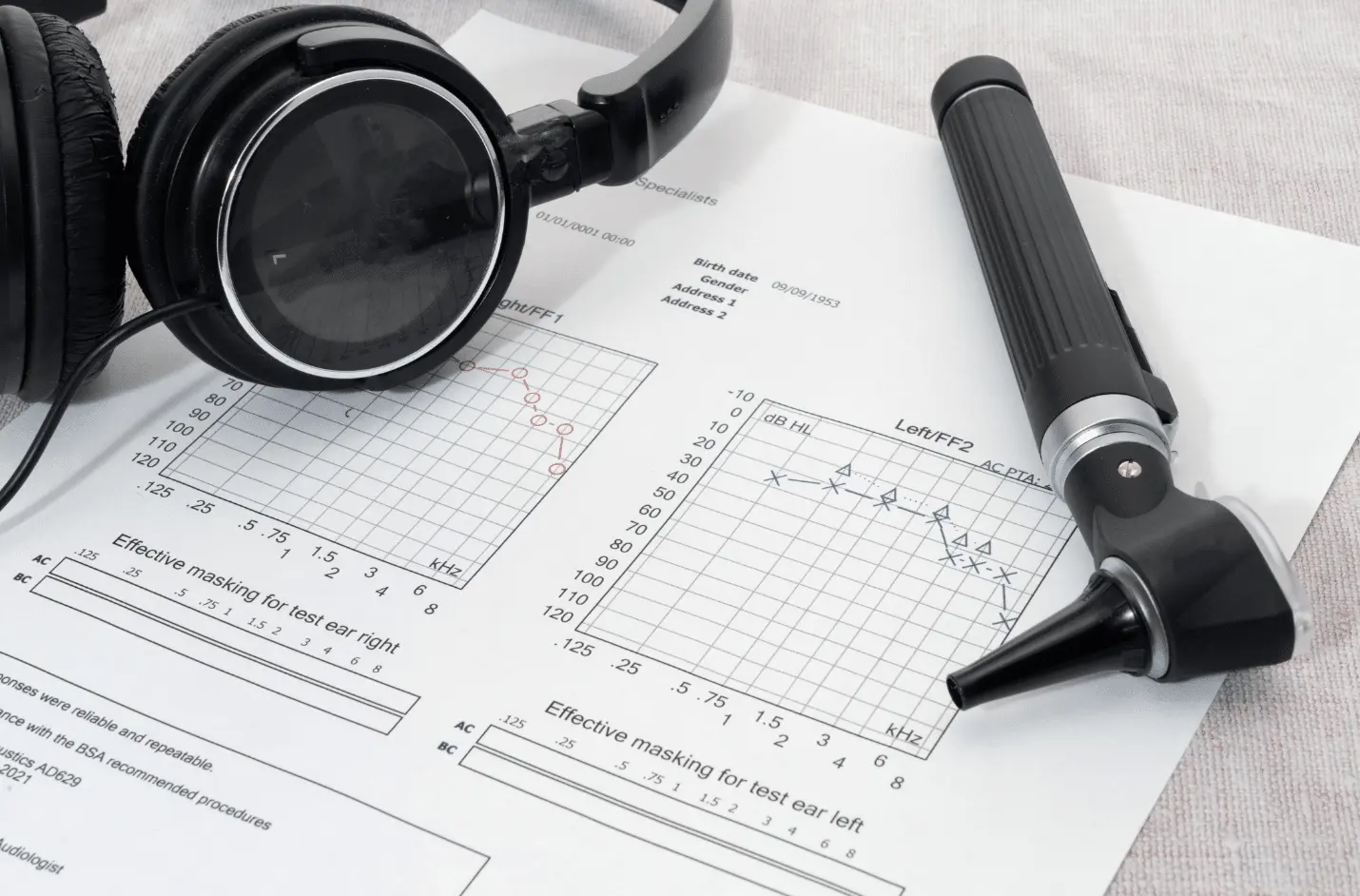
However, young babies and toddlers cannot sit in a sound booth and raise their hands when they hear a beep. For infants, toddlers, and non-verbal children, audiologists use objective electrophysiological testing: Otoacoustic Emissions (OAE) and Brainstem Evoked Response Audiometry (BERA / ABR).
At Ensound Hearing Centre in DHA Phase 1, Lahore, our clinicians provide specialized pediatric audiological assessments. This guide answers the most important questions parents ask regarding how OAE and BERA tests are performed, what the results mean, and why early detection changes a child's developmental trajectory.
1. Otoacoustic Emissions (OAE): The Rapid Newborn Screening
What Is an OAE Test?
Otoacoustic Emissions testing is a fast, non-invasive screening tool that assesses the microscopic outer hair cells inside the cochlea (the hearing organ of the inner ear).
When sound enters a healthy ear, the outer hair cells vibrate and mechanically amplify the sound. In doing so, they produce an extraordinarily faint acoustic echo that travels backward out of the ear canal. The OAE machine detects and measures this microscopic "in-ear echo."
How OAE Is Performed:
- A soft miniature probe tip is placed in the baby's ear canal while they are sleeping or resting quietly.
- The probe plays gentle series of soft clicking or chirping sounds.
- A sensitive microphone inside the probe listens for the cochlear echo.
- The test takes less than 2 minutes per ear, is completely painless, and requires zero needles, sedation, or active participation.
Interpreting OAE Results:
- "Pass": Outer hair cell function is healthy, suggesting hearing thresholds are normal or at least better than 30 dB HL.
- "Refer" (Repeat): Does not automatically mean permanent deafness. Fluid from birth, vernix, or middle ear congestion can block the sound from entering or the echo from escaping. If an infant receives a "Refer" result, our protocol requires follow-up testing and confirmation via BERA.
2. BERA / ABR: The Definitive Neuro-Diagnostic Hearing Test
What Is BERA (Brainstem Evoked Response Audiometry)?
While OAE evaluates the inner ear's outer hair cells, BERA (also called ABR - Auditory Brainstem Response) evaluates the entire auditory pathway—from the cochlea through the eighth cranial auditory nerve all the way into the brainstem.
BERA is the clinical gold standard for objectively determining auditory thresholds in infants, confirming hearing loss degrees, and ruling out auditory neuropathy spectrum disorder (ANSD).
How BERA Is Conducted at Ensound Hearing Centre:
- The test is performed while your child is in natural deep sleep (or light sleep after feeding) in our quiet, sound-treated testing suite.
- Small, gentle recording sensors (electrodes) with conductive paste are placed on the child's forehead and behind each ear on the mastoid bones. These sensors measure electrical brainwave activity.
- Specialized insert earphones deliver a series of calibrated sound clicks or frequency-specific tone bursts into the ear.
- As the auditory nerve and brainstem pathways process each sound, the equipment records five distinct electrical waveform peaks (labeled Waves I through V).
- By lowering the sound volume step-by-step until Wave V disappears, our audiologists determine the exact hearing threshold in decibels (dB nHL) for each ear.
The entire procedure is painless, safe, and provides accurate frequency-specific thresholds without requiring any behavioral response from the baby.
OAE vs. BERA: Quick Comparison for Parents
| Feature | Otoacoustic Emissions (OAE) | BERA / Auditory Brainstem Response (ABR) |
|---|---|---|
| Primary Focus | Outer hair cells of the cochlea (inner ear) | Auditory nerve and brainstem neural pathway |
| Testing Duration | 1 to 3 minutes per ear | 30 to 60 minutes for both ears |
| Sleep Requirement | Quiet, resting, or feeding baby | Baby must be asleep (natural sleep) |
| Clinical Role | Rapid newborn screening and outer hair cell check | Definitive diagnostic threshold determination |
| Detects Auditory Neuropathy? | No (OAE will be normal in nerve disorders) | Yes (Identifies neural desynchrony) |
Warning Signs Every Parent in Pakistan Should Watch For
Because infants cannot tell you when they are struggling to hear, parents should monitor these auditory developmental milestones:
- 0 to 3 Months: Does not startle, blink, or wake up to sudden loud noises (such as a door slamming or loud horn).
- 4 to 6 Months: Does not turn head or eyes toward a parent's voice, music, or interesting sounds; makes limited vocal sounds.
- 7 to 12 Months: Does not respond to their own name; does not babble (e.g., ba-ba, da-da); fails to understand common words like "no" or "bye-bye".
- 12 to 18 Months: Does not produce single words; relies heavily on gestures or pointing rather than verbalizing; turns the TV volume up to extreme levels.
The Speech Delay vs. Autism Question
Many parents in Lahore visit our clinic because a toddler has been suspected of having autism spectrum disorder due to speech delay or poor eye contact. In a significant number of cases, an objective BERA/OAE assessment reveals that the child actually has untreated bilateral hearing loss or chronic middle ear effusion (glue ear). Rule out hearing deficits with objective audiometry before assuming behavioral conditions.
What Happens If Hearing Loss Is Confirmed?
If BERA testing confirms significant sensorineural hearing loss, the most critical factor is immediate early intervention.
At Ensound Hearing Centre:
- Pediatric Behind-the-Ear (BTE) Fittings: We fit gentle, child-safe digital hearing aids (such as Oticon and Phonak paediatric platforms) paired with custom soft silicone ear molds that are remade as the child grows.
- Prescriptive Real-Ear Verification (DSL v5): We calibrate the devices to pediatric ear canal acoustic resonance formulas so children hear clear speech without loudness discomfort.
- Parent Guidance & School Support: We provide continuous programming support, acclimatization counseling, and classroom FM/Roger system advice as the child begins schooling.
Every hearing aid fitting at Ensound includes a 1-year manufacturer warranty, custom-molded ear impressions, a first follow-up after 4 weeks, and 1 year of free clinical programming.
Book a Pediatric Hearing Test in Lahore
If your child failed a hospital newborn hearing screen, has delayed speech, or suffered an illness like severe jaundice or meningitis, schedule a clinical consultation at Ensound Hearing Centre:
- Location: 12-G Second Floor, Phase 1 DHA, Lahore, 54000
- Telephone / WhatsApp: +92 300 4219127
- Appointment Booking: Book a Pediatric Assessment
Related Hearing Care Guides
Need Personalized Advice on Hearing Aids?
Book a diagnostic consultation with our audiologists at 12-G Second Floor, Phase 1 DHA, Lahore.