
Diabetes and Hearing Loss: What Every Pakistani Patient Should Know
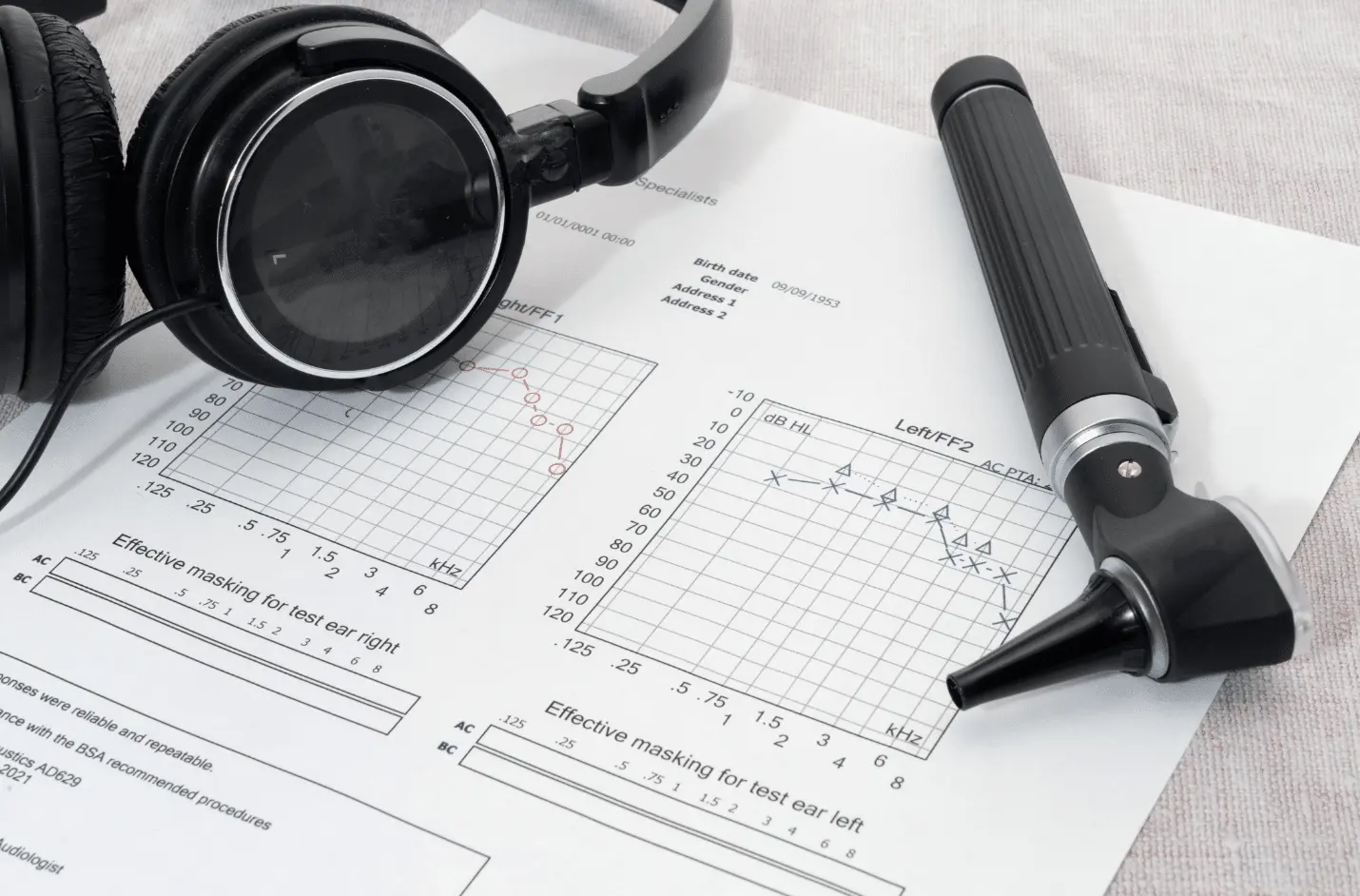
- Diabetic patients are approximately twice as likely to develop sensorineural hearing loss compared to non-diabetics (ADA / WHO data).
- Microvascular damage to the cochlea's stria vascularis is the primary mechanism — the same blood vessel damage that affects the eyes and kidneys.
- Annual audiometry is recommended for all Type 2 diabetic patients, especially those over 50, as part of routine complication monitoring.
Pakistan faces a serious and growing diabetes crisis. According to the International Diabetes Federation, Pakistan has one of the highest diabetes prevalence rates globally, with approximately 26% of adults living with the condition — a figure that places the country among the most affected in the world.
What is far less widely discussed is that diabetes is also a significant risk factor for hearing loss. If you are managing Type 2 diabetes — or caring for someone who is — understanding this connection could mean the difference between catching a hearing problem early and allowing it to progress unnoticed for years.
The Evidence: Why Diabetes Affects Hearing
The link between diabetes and sensorineural hearing loss (SNHL) is well established in the medical literature. A major analysis published in the Annals of Internal Medicine, drawing on data from studies involving over 13,000 participants, found that people with diabetes are approximately twice as likely to experience hearing loss compared to those without the condition.
The World Health Organization (WHO) recognises diabetes as one of the systemic conditions associated with hearing impairment, and guidelines from the American Diabetes Association (ADA) acknowledge the audiological risks that accompany the disease.
How Does Diabetes Damage Hearing?
The inner ear — specifically the cochlea — is richly supplied with tiny blood vessels and a delicate network of nerves. Hearing depends on these structures working properly.
Chronically elevated blood sugar causes microvascular damage: it thickens, narrows, and reduces the efficiency of small blood vessels throughout the body. The same mechanism that damages the blood vessels of the kidneys (diabetic nephropathy) and the retina (diabetic retinopathy) also affects the blood supply to the cochlea. When cochlear hair cells are deprived of adequate circulation and oxygen, they deteriorate — and unlike many cells in the body, cochlear hair cells do not regenerate.
Additionally, diabetes-related peripheral neuropathy — nerve damage — may affect the auditory nerve itself, further compromising the transmission of sound signals from the cochlea to the brain.
Warning Signs That Diabetic Patients Should Watch For
Hearing loss related to diabetes tends to be gradual and bilateral (affecting both ears), particularly in the higher frequency range. This means it can go unnoticed for months or even years. Common early signs include:
- Difficulty following conversations in noisy environments such as restaurants or family gatherings
- Asking people to repeat themselves more frequently, especially on the phone
- Mishearing similar-sounding words (for example, confusing "fifteen" and "fifty")
- Turning up the television or phone volume higher than others in the room need it
- Tinnitus — a ringing, buzzing, or hissing sound in one or both ears, which can be an early indicator of cochlear stress
- Difficulty hearing higher-pitched voices, such as those of women and children
Because these symptoms develop slowly, many patients attribute them to ageing rather than recognising them as a complication of their diabetes.
Why Annual Audiometry Should Be Part of Diabetic Care in Pakistan
In many high-income countries, annual hearing assessments are increasingly recommended as part of routine diabetic monitoring — alongside eye examinations, kidney function tests, and foot checks. In Pakistan, this practice remains uncommon despite the country's high diabetes burden.
A Pure Tone Audiometry (PTA) test, ideally combined with tympanometry and OAE testing, creates a baseline record of a patient's hearing. Annual repetition of this test allows clinicians to detect early changes — often before the patient has noticed any problem — making timely intervention possible.
If you are managing diabetes and have never had a formal hearing test, or if it has been more than a year since your last one, we strongly recommend scheduling an audiological evaluation.
Related reading: What Is Pure Tone Audiometry (PTA)? | What to Expect at a Hearing Test | Signs You Need a Hearing Test
How Hearing Aids Help Diabetic Patients With Hearing Loss
When hearing loss is confirmed in a diabetic patient, the management approach is the same as for other forms of sensorineural hearing loss: hearing aids are the primary clinical intervention, as damaged cochlear hair cells cannot be repaired medically.
Modern hearing aids offer significant benefits for patients in this situation:
- Improved speech intelligibility — hearing aids are programmed specifically to the patient's audiogram, amplifying the frequencies where loss is greatest. This makes conversation in quiet and noisy environments significantly easier.
- Reduced cognitive load — struggling to hear is mentally exhausting. Hearing aids reduce the effort required to follow speech, which research links to reduced cognitive fatigue and a lower long-term risk of dementia.
- Better quality of life and safety — patients who can hear well are more likely to engage socially, follow medical instructions accurately, and notice warning sounds in their environment.
- Tinnitus management — many modern hearing aids include built-in sound generators that help reduce the perception of tinnitus, which frequently accompanies diabetic hearing loss.
At Ensound Hearing Centre, DHA Phase 1, Lahore, we conduct a full diagnostic evaluation before recommending any hearing aid. Our patients receive a one-year manufacturer warranty on all devices, six months of batteries included, custom ear molds where indicated, a first follow-up appointment four weeks after fitting, and one year of free programming adjustments as the brain adapts to amplification.
Blood Sugar Management and Hearing: Slowing the Progression
There is meaningful evidence that effective blood sugar control can slow — though not reverse — hearing deterioration in diabetic patients. Studies comparing diabetic patients with well-controlled and poorly controlled glucose levels consistently show better audiometric outcomes in those maintaining tighter glycaemic control.
This reinforces the importance of the integrated approach that Pakistani diabetologists and endocrinologists recommend: medication compliance, dietary management, regular physical activity, and monitoring — not just for heart, kidney, and eye health, but for hearing health too.
If you are already under the care of a diabetes specialist, ask them to include a hearing evaluation referral as part of your annual review.
What a Tinnitus and Hearing Assessment Includes
A dedicated audiology appointment for a diabetic patient typically covers:
- Case history — including duration and control of diabetes, current medications, and hearing concerns
- Otoscopy — visual check of the ear canal and eardrum
- Pure Tone Audiometry (PTA) — assessing hearing thresholds across all key frequencies in both ears
- Tympanometry — checking middle ear function
- OAE testing — assessing cochlear hair cell function
- BERA or ASSR (if clinically indicated) — objective assessment of auditory nerve integrity
- Results counselling — a clear explanation of findings and discussion of management options
The entire appointment takes approximately 60–90 minutes.
Key Takeaways
- Diabetic patients are approximately twice as likely to develop hearing loss compared to non-diabetic individuals, according to large-scale research.
- The mechanism is microvascular: elevated blood sugar damages the tiny blood vessels that supply the cochlea, causing progressive sensorineural hearing loss.
- Hearing loss in diabetic patients is often gradual and high-frequency — easy to miss until it is moderate or worse.
- Annual audiometry is a clinically sound addition to the routine diabetic monitoring protocol, particularly given Pakistan's very high diabetes prevalence.
- Hearing aids are the primary evidence-based treatment for diabetic SNHL; good glycaemic control may slow further deterioration.
Get a Hearing Assessment in Lahore
If you have Type 2 diabetes and have not had your hearing formally assessed, now is the right time. Our clinical audiology team at Ensound Hearing Centre, DHA Phase 1, Lahore, provides comprehensive diagnostic hearing evaluations including PTA, tympanometry, OAE, BERA, and ASSR.
Early detection leads to better outcomes.
Related Hearing Care Guides
Need Personalized Advice on Hearing Aids?
Book a diagnostic consultation with our audiologists at 12-G Second Floor, Phase 1 DHA, Lahore.